
For manufacturing of all physical parts on a product, it is needed to be carried out an structural design (engineering design) according to production methods, material properties and functional abilities.
In this stage which we built product structure or system requirements, all design activities are proceeded as suitable for needed safety regulations and standards.
Mechanical design is a design phase in which the product construction is built in a 3D environment in accordance with the production technique, material type and required standards. In addition, the assembly relations of the designed parts or functional components are also determined at this stage.
The mechanical design process may vary according to different manufacturing alternatives. In terms of being easily applicable and sustainable for investors and producers, mentioned designs are realized by keeping to existing or feasible manufacturing solutions as much as possible.
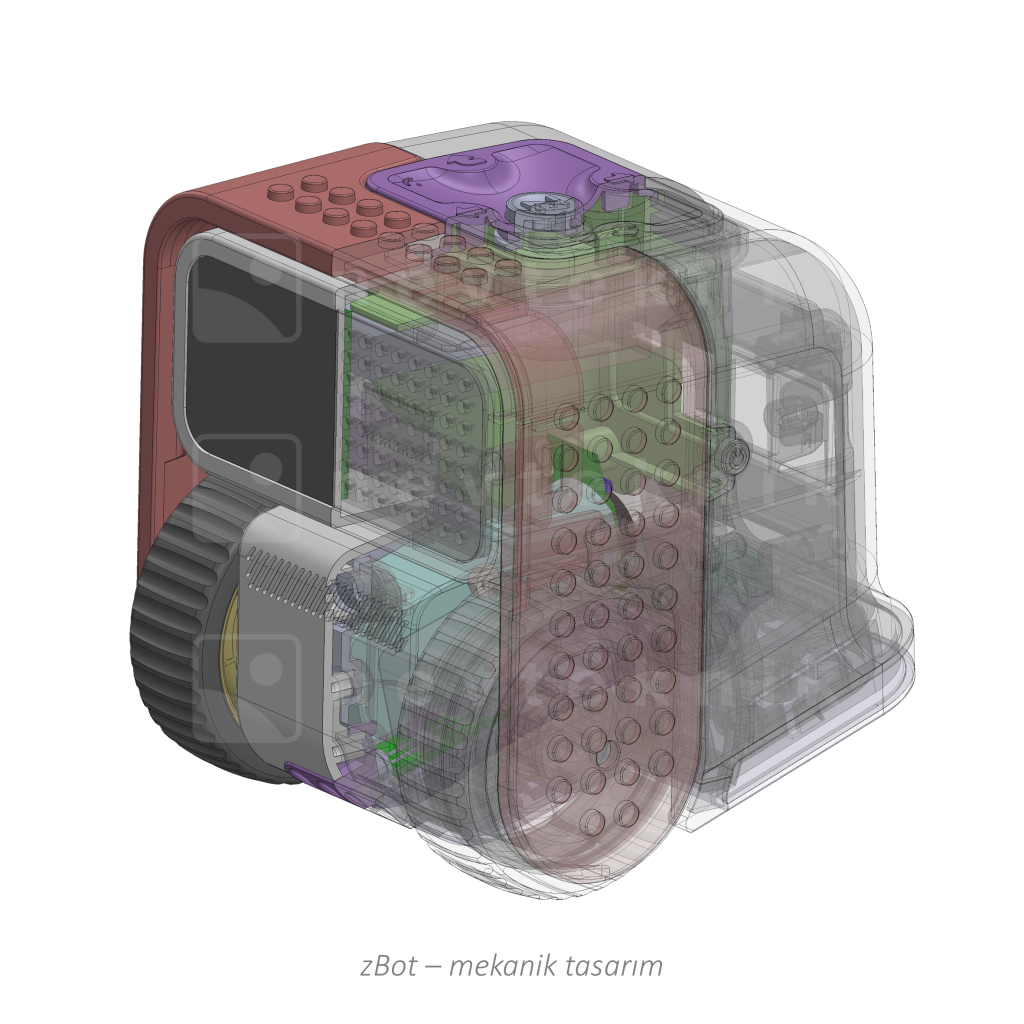
System Design
In order to reach stably working products with all mechanical, electromechanical and electronic components, it is needed to carry out a system design.

The functional accordance of moving mechanisms, power generating components or sensors is determined by the design and verification activities carried out at this stage. In addition, the selection or special design of the functional components that can meet the product requirements are also finalized at this stage.
Plastic Part Design
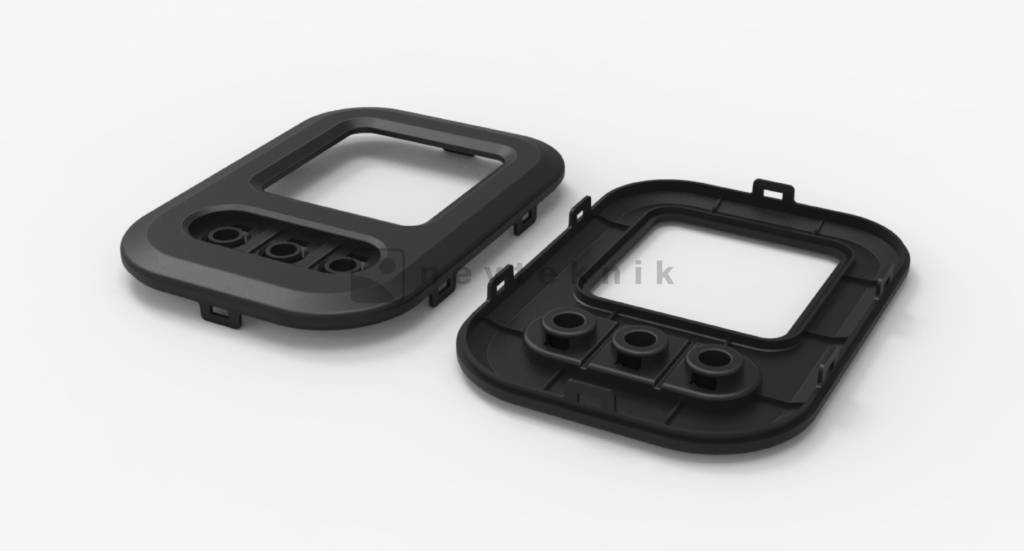
Plastic injection technique is one of commonly used manufacturing methods for mass production. It is important that, the plastic parts which are planned to be manufactured by plastic injection molds should be structured with using suitable design techniques. Plastic part design should be carried out in accordance with such as the selected material properties, assembly types and required strength or surface quality.
Sheet Metal Design
Sheet metals are commonly preferred in product designs due to many reasons such as high strength, thermal resistance and food compatibility. The parts that generally manufactured with sheet metal bending or metal forming tools are carried out according to selected production methods. During the sheet metal design, the properties of selected materials and the assembly relations of each metal parts are detailed by considering the required norms and standards.

Prototype Design
Although prototyping applications are commonly used as a design verification activity before mass production, they can also be used as a functional tool in order to figure out the weak and strong aspect of the design ideas or inventions. In addition, it can be preferred as a production tool for low-volume or customized production due to the cost advantage instead of traditional manufacturing methods.
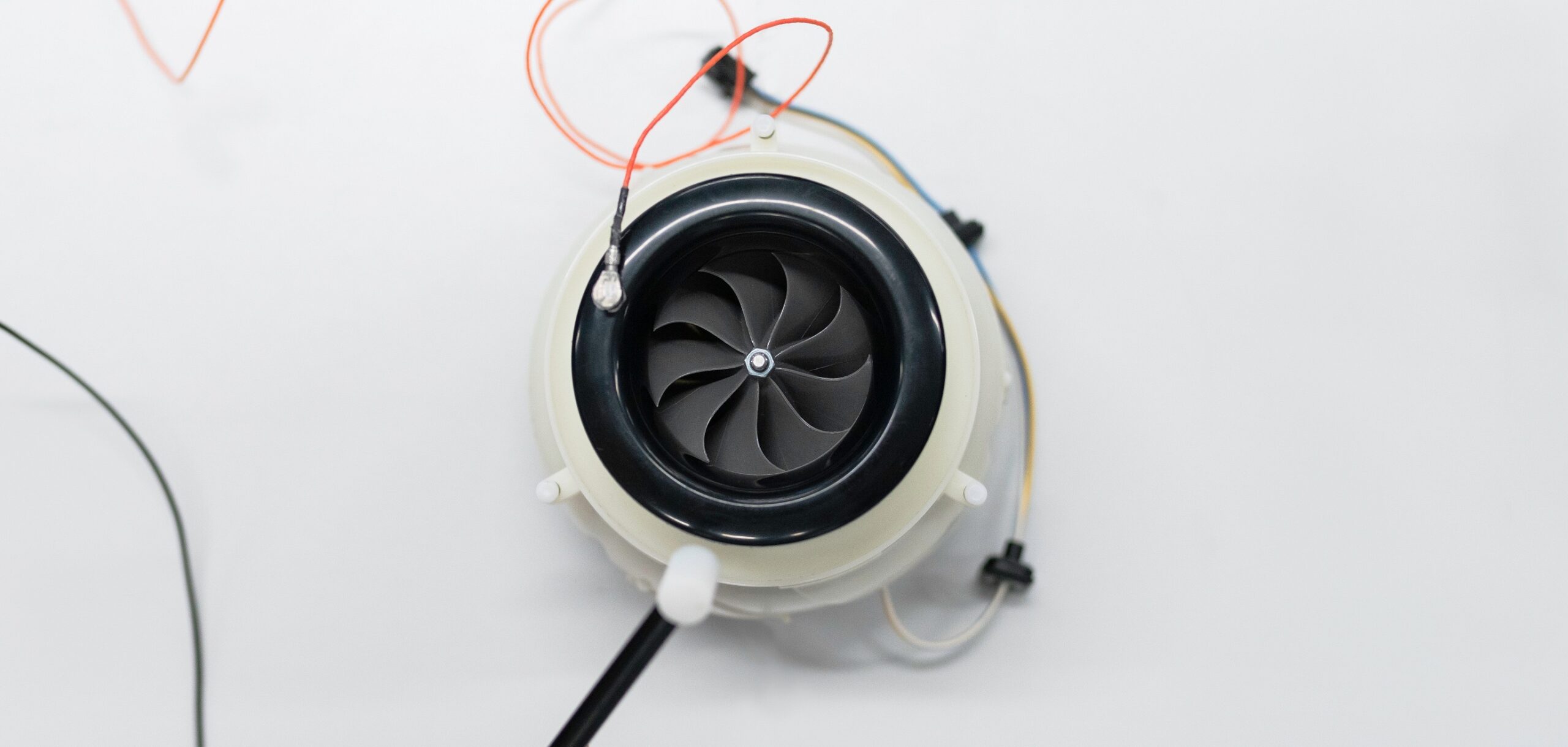
Unlike the mass production methods, prototype design is carried out by considering manufacturing requirements of each prototyping techniques. Especially 3D printing technologies allows designers to develop wide range of geometries without conventional molding limitations. In addition, the prototype model can be supported by easily applied production methods such as sheet metal bending or machining and it can be assembled with easily accessible components on the market such as power, sensing or control units. So, it is more feasible way to create structures which the product can be tested functionally.
Patent – Utility Model
All ideas generated by innovative perspective are valuable. There are many ideas that can be directly transfer into a product after a simple problem-solving task and there are some others which can bring various commercial privileges due to the unique effect of solution. At this point, the invention must be protected by a patent or utility model registration. The technical solution subjected of a patent application must meet the criteria of novelty, inventive step and industrial applicability. In addition, some countries allow utility model registrations by only criteria of novelty and industrial applicability.
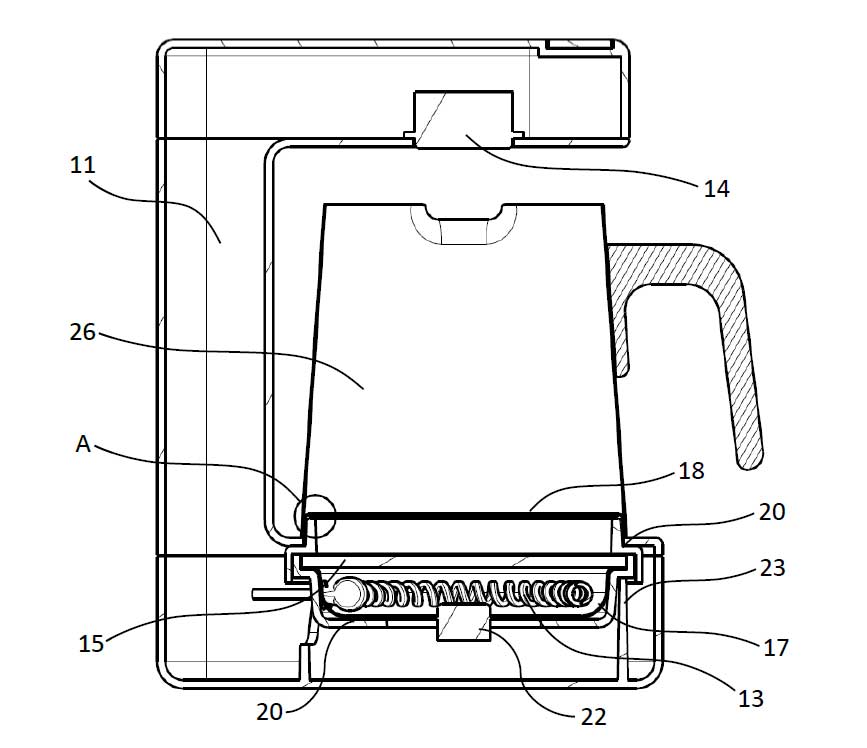
First of all, the idea that is the subjected of a patent or utility model must be verified in terms of industrial applicability. Within the confidentiality policy and especially in the field of our experiences, As Nevteknik, we have been technically supporting our stakeholders at this verification phase by design and prototyping services. We can also contribute to the process of preparing the technical drawings, claims and other documents required for patent/utility model applications in which the technical scope of the invention is expressed.